Cliff Booth Changes Directors
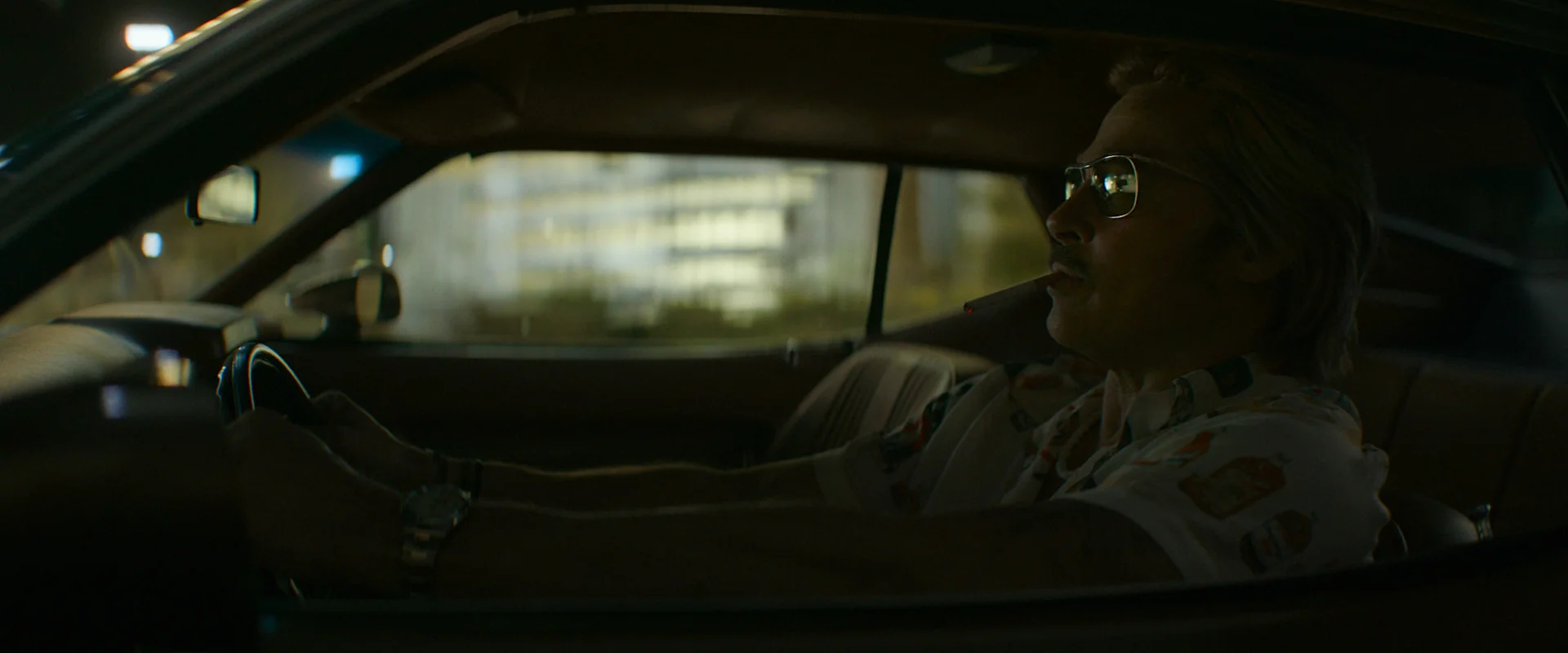
Cliff returns, Fincher takes over
Cliff Booth is back, but the director who introduced him is not behind the camera. Entertainment Affair’s November 9, 2026 report on Netflix’s second trailer places Brad Pitt’s returning character in 1977, working as a Hollywood fixer. The outlet describes car chases, violent confrontations and dark humour on Los Angeles streets: promises made by promotional footage, rather than evidence of how the finished film sustains them. David Fincher directs from Quentin Tarantino’s screenplay, making the continuation both a return to a character and a change of creative command.
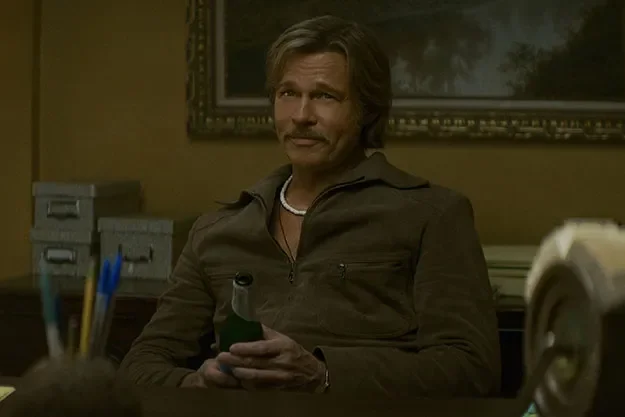
That report calls the film The Further Mis-Adventures of Cliff Booth; the supplied catalogue shortens it to The Mis-Adventures of Cliff Booth, while GeekTyrant uses The Adventures of Cliff Booth. These variants do not establish separate cuts. The more consequential reunion is Pitt with Fincher, whose previous collaborations include Se7en, Fight Club and The Curious Case of Benjamin Button. A performer is therefore returning to Tarantino’s character while working again with a director with whom he has a substantial history.
Why Tarantino stepped aside
Tarantino’s reported explanation makes familiarity the obstacle, not the incentive. In remarks from The Church of Tarantino podcast relayed by Jessica Fisher at GeekTyrant, with credit to Deadline, he said he loved the screenplay but felt he was covering ground he had already explored. For what he intended as his final directorial film, he wanted the uncertainty of unfamiliar territory. Those are one set of remarks transmitted through other outlets, not separate interviews confirming his reasoning.
“I love this script, but I’m still walking down the same ground I’ve already walked.”
Quentin Tarantino · geektyrant.com
He also treated Fincher’s interest in adapting his writing as a sign that the work was being taken seriously. The distinction matters: declining to direct was not, in this account, a rejection of the screenplay. It separated his ambitions as a director from his wish to see this story made. Where the trailer report sells action and reunion, Tarantino’s explanation turns on the limits of returning. It gives a reason for the handoff without establishing Fincher’s own motives or suggesting a dispute.
Fincher’s earlier words
An earlier conversation offers a modest perspective on the director receiving that script. Speaking by telephone with Mark Romanek for The Believer in August 2010, around The Social Network’s release, Fincher described enjoying scripts he could visualise, along with casting, rehearsal and discussions of what a film might become. This places some of his pleasure in the passage from written possibility to preparation. It is historical context for his engagement with another writer’s work, not a recollection of preparing Cliff Booth.
“I enjoy reading a script that you can see in your head”
David Fincher · thebeliever.net
The same distinction applies to lighting. Romanek characterised darkness as a Fincher signature and likened withholding illumination to drawing someone closer with a whisper. Fincher’s own answer was more practical: brightened promotional images could lose the appearance of skin and reflected light, and another lamp was not always necessary. Romanek supplied the aesthetic interpretation; Fincher discussed what looked credible to him. Neither account establishes this film’s lighting, equipment or performance direction, and neither substitutes for a participant’s recollection of its set.
The release ahead
Entertainment Affair reports a global IMAX opening on November 25, 2026, followed by a Netflix debut on December 23. Both remain forthcoming announcements. An IMAX release does not by itself identify capture specifications or a special cut; nor does the report confirm a Hong Kong venue, local title or local screening date. The schedule gives the collaboration a route to the screen, but leaves its central question unanswered: what will remain recognisably Cliff Booth, and what will change when the writer lets another director take over?